The real tug-of-war in the property manager vs. landlord debate boils down to a simple trade-off.
Going the DIY route means you save on management fees, but you’re signing up for a serious investment of personal time and shouldering all the legal risks yourself. Hiring a property manager costs more, but what you’re buying is professional expertise, proven systems, and, frankly, invaluable peace of mind that makes your investment truly passive.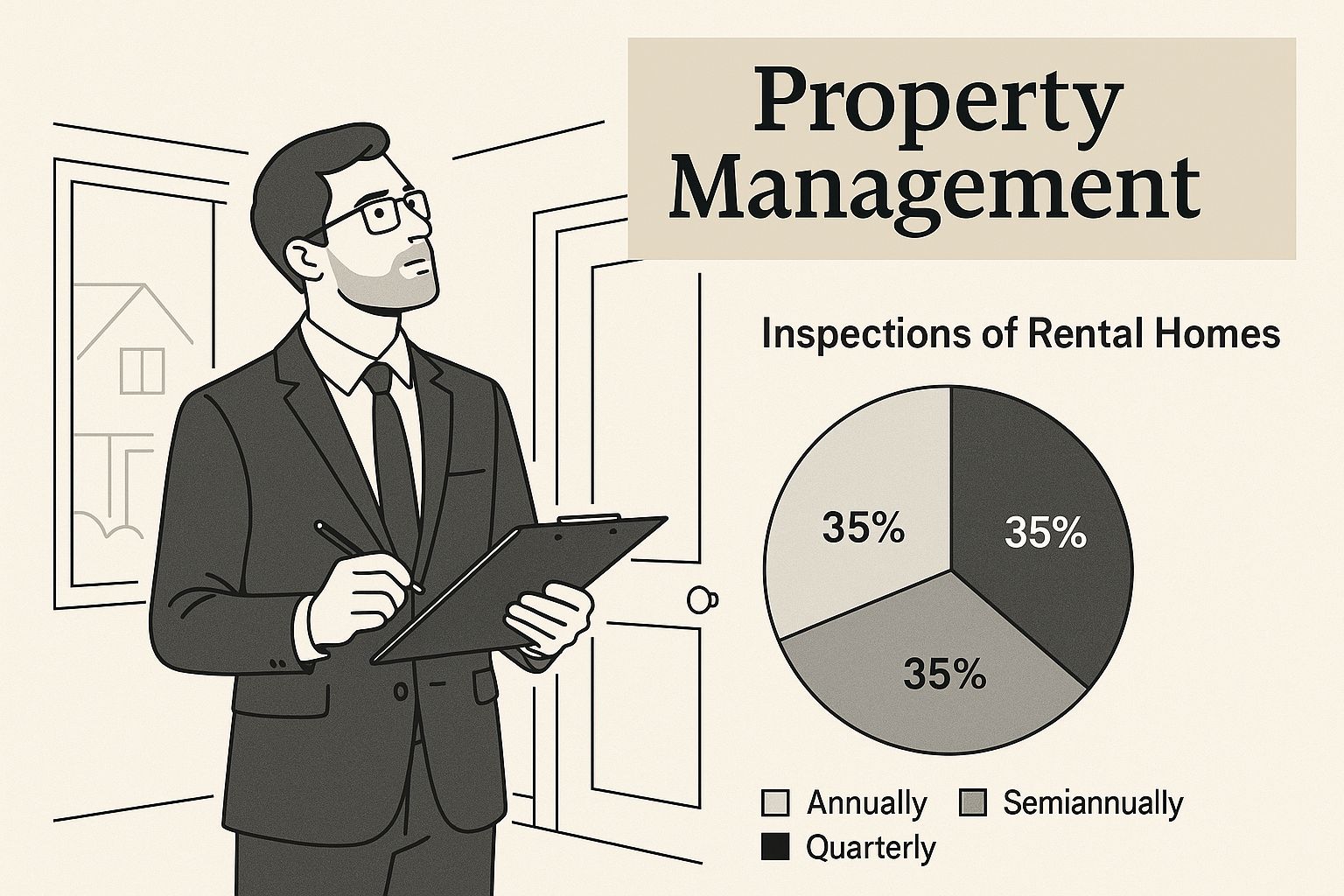 It’s this kind of systematic approach that separates the pros from the DIY crowd, turning a routine chore into a valuable part of protecting your investment.

The Core Decision: Self-Management or Professional Hire
Choosing whether to manage your Canadian rental property on your own or bring in a professional is the first major crossroad every real estate investor faces. This decision fundamentally shapes your day-to-day life, your workload, and your ultimate return on investment. It's not just a question of saving a few bucks; it’s about making sure your management style lines up with your lifestyle, your expertise, and what you want to get out of your property. If you're a first-time investor in a hot market like Toronto or Vancouver, the appeal of self-management is obvious—you pocket the full rental income and call all the shots. But this path also means you're the one getting the call for a late-night plumbing disaster or trying to wrap your head around the nuances of your province's Residential Tenancies Act. You become the marketing department, the screening committee, the maintenance crew, and the legal expert, all rolled into one. On the flip side, hiring a property manager is the hands-off approach. It’s a perfect fit for investors who live miles away from their property, juggle a demanding career, or just don’t want the daily headaches that come with being a landlord. Yes, this professional service has a price tag, but it buys you back your time and adds a layer of expert protection against costly mistakes.At-a-Glance Key Differences Landlord vs Property Manager
To make things a bit clearer, here's a quick look at the fundamental differences between managing it yourself and hiring a pro. This table breaks down what you can expect in terms of control, cost, expertise, and the time you'll need to invest. Aspect DIY Landlord (Self-Management)Hired Property ManagerControlFull, direct control over all decisions and tenant interactions. Delegates day-to-day operations and decision-making within agreed limits.CostNo direct management fees, but incurs costs for vacancies, mistakes, and time. Pays a management fee (typically a percentage of rent) plus potential leasing fees. ExpertiseRelies on personal knowledge of laws, marketing, and maintenance. Provides professional expertise in legal compliance, tenant screening, and market trends. Time CommitmentSignificant time required for all tasks, from showings to repairs. Minimal time required from the owner; the investment becomes largely passive. This table lays out the core trade-offs. As you can see, the right choice really depends on what you value more: hands-on control and lower direct costs, or freedom and professional expertise.How Much Time Does It Really Take?
It’s easy for new landlords to underestimate the time commitment. Sure, some weeks might be completely quiet, but a single unexpected issue can suddenly eat up hours of your time. Recent research sheds some light on this, showing that a surprising number of landlords don't spend a ton of time every week on their properties. For instance, a 2021 study of independent landlords found that 43.8% spend less than one hour a week on management tasks. But that statistic can be a bit deceiving. The same data shows that 77.4% spend under 20 hours per month, which highlights just how quickly those "little tasks" can snowball.This data really gets to the heart of the choice: Are you ready and willing to be the one spending those hours, or would you rather pay for a service to handle it all for you? Taking a closer look at dedicated property management services can give you a crystal-clear picture of what that management fee actually buys you.Comparing Day-to-Day Operational Responsibilities
The real difference between being a DIY landlord and hiring a property manager shows up in the day-to-day grind. It's in the daily, weekly, and monthly tasks that keep a rental property profitable and out of legal trouble. This is where the debate gets real—it's a test of your time, stress levels, and actual expertise. Let's break down how these responsibilities stack up.This image really highlights the organized, professional way a modern property manager handles a crucial task like inspections.It’s this kind of systematic approach that separates the pros from the DIY crowd, turning a routine chore into a valuable part of protecting your investment.Tenant Screening and Placement
If you're a DIY landlord, finding a tenant is all on you. That means writing and posting rental ads, answering a flood of emails and texts, scheduling and running showings, and sifting through applications. The entire screening process is your responsibility, from pulling credit reports to calling references and verifying income. You get total control, but that also means you carry all the risk—like accidentally letting your personal biases cloud your judgment or missing red flags a pro would spot instantly. A property manager, on the other hand, has this down to a science. They use professional marketing channels that attract a much wider, more qualified pool of applicants. More importantly, they follow strict, legally-sound screening procedures. This gives them access to comprehensive background check services that an individual landlord often can't get. Their process is built on being consistent and objective, running every single applicant through the same tough criteria. This doesn't just find better tenants; it keeps you compliant with human rights laws and seriously cuts down your legal risk. A recent report from SingleKey highlighted that 82% of Canadian landlords consider tenant screening their most crucial task.Rent Collection and Financial Management
For a self-managing landlord, collecting rent can be as easy as an e-transfer. Or, it can turn into a monthly cycle of awkward texts and follow-up calls chasing late payments. Trying to enforce the late fees you put in the lease can create tension, turning what should be a straightforward business deal into a personal conflict. On top of that, you're responsible for all the bookkeeping—tracking every dollar in and out for tax time. Property management firms take the headache out of this. They give tenants multiple ways to pay, like online portals with automatic payments, which drastically cuts down on late rent. And when a payment is late, the firm handles it based on a firm, pre-set policy that follows all provincial rules. This takes the emotion out of it for you and makes sure the lease is enforced fairly and consistently. Plus, they send you clear monthly and annual financial statements, giving you a bird's-eye view of your property's performance without you ever having to open a spreadsheet.Maintenance and Emergency Repairs
This is probably one of the biggest divides. When you're a DIY landlord, you are the 24/7 emergency contact for every single issue. A leaky faucet on a Tuesday morning? Manageable. A pipe bursting at 2 a.m. on a holiday weekend? That's a whole different level of stress. You have to take the panicked call, scramble to find a reliable tradesperson who's actually available, and coordinate the whole repair, all while trying to calm down your tenant. A property manager acts as your shield. Their entire business is set up to handle these situations.- 24/7 Emergency Line: They have a dedicated line and a plan for after-hours emergencies, so you can sleep through the night.
- Vetted Vendor Network: They have a go-to list of insured, trustworthy plumbers, electricians, and other contractors. These vendors often give them better rates and priority service.
- Preventative Maintenance: They schedule routine checks and preventative work, catching small problems before they turn into expensive disasters.
Digging Into the Real Costs and Savings
When you’re weighing whether to manage your own property or hire a professional, the conversation usually circles back to one thing: fees. It’s easy to think that going the DIY route saves you money because you're not cutting a cheque to a property manager every month. But that’s a very surface-level view. To really understand the financial picture, you have to look past the obvious and uncover the hidden costs and potential savings on both sides.The appeal of self-management is pretty straightforward: 100% of the rent you collect lands in your bank account. The problem is, this path is littered with indirect and sometimes surprisingly large costs that many first-time landlords don't see coming. This decision is all about making sure your management style actually fits your life. So, let's break down the specific scenarios where each path makes the most sense.
At Royal LePage Brookside Realty, we offer comprehensive property management services designed to protect your investment and give you peace of mind. Learn how we can help you maximize your rental income.
The Hidden Costs of Self-Management
When you're a DIY landlord, you wear all the hats—and you also shoulder all the financial fallout when things go wrong. These so-called "hidden" expenses can quickly chew through the savings you thought you were making. Think about these common financial traps:- What's Your Time Worth? Your time is your most valuable asset. Every hour you spend writing rental ads, showing the property, vetting applicants, or coordinating a plumber is an hour you can't get back. It's time you could have been dedicating to your career, your family, or other ventures.
- The Cost of Vacancy: An empty property is a money pit. With national vacancy rates in Canada hitting a historic low of 1.5% in 2023 according to the CMHC, the pressure to fill empty units quickly is immense. A seasoned property manager has the marketing channels and a refined process to fill vacancies at or above market rates, often saving you an entire month's rent—or more.
- Expensive Legal Missteps: Getting provincial tenancy laws wrong isn't just a headache; it's expensive. A single mistake can lead to hefty fines, legal battles, or even being ordered to pay a tenant's moving expenses. One slip-up could easily cost you thousands, wiping out years of what you "saved" on management fees.
Breaking Down Property Management Fees
When you bring a property manager on board, you're not just paying a fee; you're investing in a service meant to shield your investment and boost its returns. In Canada, the fee structures are usually quite clear, but it’s crucial to know what your money is actually getting you. The property management industry is a major part of the real estate economy. To give you some perspective, as of 2024, the property management industry in Canada has a market size of $16.3 billion and employs over 66,000 people, according to IBISWorld. This shows the scale and professionalism available to investors. Here’s a typical breakdown of how the fees work:- Percentage of Rent: This is the most common model. A manager will charge between 8% and 12% of the monthly rent they collect for you.
- Flat Fee: Some firms charge a fixed monthly fee, no matter what the rent is. This can be a great deal for properties with higher rental incomes.
- Leasing Fee: This is a one-time charge specifically for finding and placing a quality tenant. It’s often equivalent to half a month's or a full month's rent.
Navigating Canadian Legal Risks and Compliance
The world of Canadian rental property is governed by a dizzying web of laws that can feel like a minefield if you're not prepared. This legal landscape is one of the biggest factors in the property manager vs landlord decision. One wrong move can lead to some serious financial penalties and legal headaches. If you're a DIY landlord, staying on the right side of the law is a constant, demanding job. It's not a one-size-fits-all situation, either. Each province and territory has its own rulebook. An owner in Ontario has to stick to the very detailed Residential Tenancies Act (RTA), while a landlord out in British Columbia operates under a totally different set of regulations. These laws control everything, from how you can raise the rent to the exact, legally required steps for an eviction.For a lot of landlords, this is where hiring a professional becomes a no-brainer. A property manager's core job is to be your liability shield, using their expertise to make sure every single action is fully compliant with the law.The Weight of Provincial Tenancy Acts
When you manage your own property, you're the one on the hook for understanding and following every last clause in your province's tenancy act. That means knowing the right forms for every notice, the legal reasons you can enter a tenant's suite, and the strict rules for handling security deposits. A simple mistake, like giving the wrong notice period for entry, can land you in a formal dispute at a tenancy tribunal. Property managers, on the other hand, live and breathe these regulations. It’s a huge part of their job. They work with these legal frameworks every single day, making sure all the paperwork, communication, and actions are completely by the book. This is especially critical for investors who live out-of-province and can't be expected to master the local laws of a different jurisdiction.A classic—and costly—mistake for DIY landlords is getting an eviction wrong. If you don't follow the exact legal process to the letter, the eviction can be overturned and you could be ordered to pay damages to the tenant. It turns a tough situation into a full-blown financial disaster.Human Rights and Tenant Selection
Another major legal landmine is tenant selection. The Canadian Human Rights Act, along with provincial human rights codes, bans discrimination based on grounds like age, race, family status, or disability. While you'd never intentionally discriminate, unconscious bias can easily creep into your questions or screening criteria, causing legal trouble.A property manager gets around this by using a standardized, objective screening process for every applicant. They focus only on verifiable things like income, credit history, and rental references. This ensures the selection process is fair, consistent, and legally defensible. This structured approach not only helps find the best tenant but also protects you from potential human rights complaints. The economic and regulatory pressures that shape rental markets can make these risks even bigger. For instance, the landlord versus property manager dynamic in California is heavily influenced by the state's affordability crisis and strict tenant protections. Landlords there face soaring operational costs and complex rules, which often pushes them to hire professional managers who can expertly handle the intense regulatory environment. You can find more insights about the challenges in competitive rental markets on fbs-pm.com.Legal Risk Profile: DIY Landlord vs. Property Manager
When you break it down, the difference in legal exposure between going it alone and hiring a pro is pretty stark. This table highlights just how much risk you're taking on yourself. Legal Area, DIY Landlord Risk Exposure Property Manager Mitigation Provincial Tenancy Act, High. Requires constant self-education on complex, changing laws, Low. Deep, operational knowledge of all required notices, forms, and procedures. Eviction Process, Very High. One procedural mistake can void the entire process and lead to fines. Low, Follows a legally sound, step-by-step process, often with legal support. Human Rights Compliance,Moderate. Risk of unconscious bias in tenant screening and interviews, Low. Uses a standardized, objective screening process for all applicants. Security Deposits, Moderate. Prone to errors in handling, calculating interest, and returning funds Low. Manages all deposit funds in trust accounts according to strict provincial rules. At the end of the day, choosing to self-manage means you're accepting a significant amount of personal legal responsibility. In the property manager vs landlord debate, hiring a professional is often less about convenience and more about smart, proactive risk management.When to Be a Landlord and When to Hire a Manager
The whole "property manager vs. landlord" debate isn't about finding one right answer for everyone. It’s about finding the right answer for you. Your personal situation—where you live, your lifestyle, your investment goals—is what really matters here. Making the best call comes down to taking an honest look at your own strengths, weaknesses, and what you really want out of this investment.This decision is all about making sure your management style actually fits your life. So, let's break down the specific scenarios where each path makes the most sense.The Profile of a Successful DIY Landlord
Going the DIY route can be incredibly rewarding, but let’s be real—it’s not for everyone. It's a great fit for a very specific type of investor. If you find yourself nodding along to most of these points, you're probably a good candidate for the hands-on landlord role.You should think about being your own landlord if:- You Live Close By: This one’s almost non-negotiable. Being near your rental property means you can pop over to fix a leaky tap, show the unit to potential tenants, or do a quick inspection without it turning into a logistical nightmare.
- Your Portfolio is Small: Managing one or two properties is a world away from juggling ten. If you have a single rental unit, the workload is often completely manageable for one person.
- You Have a Flexible Schedule: Tenant problems don't clock out at 5 p.m. If your job or lifestyle allows you to handle a plumbing emergency in the middle of a Tuesday or an evening showing, you've got the flexibility this job demands.
- You Genuinely Enjoy It: This is a big one. Some people actually like the hands-on parts of managing property, from tackling minor repairs to building a good rapport with their tenants. If you see it as a fulfilling side hustle instead of a chore, you’re set up for success.
When Hiring a Property Manager is the Smart Move
For a lot of investors, bringing in a professional isn't a luxury—it's a strategic move to protect both their asset and their own time. In several common situations, handing over the keys to a manager is simply the best decision you can make.You should seriously consider hiring a property manager if:- You Own Multiple Properties: As your portfolio gets bigger, the complexity and the sheer volume of work grow exponentially. A good manager brings the systems, staff, and expertise needed to handle multiple units without breaking a sweat.
- You Live Far from Your Rental: If you're an out-of-town or out-of-province investor, trying to self-manage is next to impossible. A local property manager is your eyes and ears on the ground, and they are absolutely essential.
- You Value Your Time: For busy professionals, business owners, or anyone with a demanding career, the hours spent on landlord duties are hours you can't spend on your main job or with your family. The management fee is often a small price to pay to get that valuable time back.
- You Want a Passive Investment: If your goal was to build wealth through real estate without the day-to-day headaches of being a landlord, a property manager is the only way to make that happen. They handle everything, letting you step back and simply collect the income.
Making Your Final Decision: A Checklist For Investors
The debate between acting as your own landlord or hiring a property manager really comes down to your individual situation. Broad comparisons only get you so far; what matters most are the hard, practical questions you can answer today.Your honest responses will point you toward the approach that fits your lifestyle and investment goals. There’s no one-size-fits-all solution—only the choice that matches your reality.A Practical Self-Assessment
Before you sign on the dotted line, take a moment to run through these points. A clear-eyed self-evaluation today can prevent stress and unforeseen costs tomorrow.- How Much Is My Personal Time Truly Worth Per Hour?
Work out a ballpark figure for your hourly rate. Then compare it to the monthly fee for a property manager. You’ll often find that the cost shifts from an expense into an investment in your own freedom. - Am I Equipped To Handle Tenant Emergencies 24/7?
Imagine a burst pipe at 3 a.m. or a furnace failure on a long weekend. That midnight call isn’t for the faint of heart. Property managers, by contrast, offer 24/7 emergency protocols and vendor relationships that remove the guesswork. - How Confident Am I In My Knowledge Of Provincial Landlord-Tenant Law?
Navigating your province’s Residential Tenancies Act isn’t optional. A misfiled eviction notice or incorrect security deposit handling can land you in costly tribunal hearings. Seemingly small paperwork errors have tripped up many new landlords.
Frequently Asked Questions
When you're weighing whether to hire a property manager or go it alone as a landlord, a lot of practical questions pop up. It's a big decision for any Canadian investor. Here are some straightforward answers to the most common queries we hear, designed to give you clarity as you decide which path is right for you.Can I Deduct Property Management Fees on My Canadian Taxes?
Absolutely. In Canada, any fees you pay to a property management company are considered a current expense incurred to earn rental income. This means they are almost always fully tax-deductible against the revenue your property generates.This deduction can make a real difference, often making professional management more affordable than you might think. Just be sure to hang onto every invoice from your property manager so you can properly claim the expense on your T776 Statement of Real Estate Rentals. Of course, it's always smart to chat with a tax professional for advice tailored to your specific situation.What Are the First Steps if I Decide to Self-Manage?
If you're ready to take the hands-on landlord route, your first job is to get your legal and operational house in order. Don't do anything else until you've thoroughly read your province's Residential Tenancies Act—that document is your new best friend and rulebook.Next up, get your paperwork sorted. You'll need standardized forms for applications, lease agreements (make sure you're using the official provincial lease if one is required), and detailed inspection reports. You'll also need a reliable system for collecting rent and a go-to list of trusted local tradespeople, like plumbers and electricians, for when maintenance issues inevitably arise. Last but not least, double-check that you have adequate landlord insurance coverage.How Do I Find a Good Property Management Company in Canada?
Finding a property manager you can trust takes a bit of legwork. A great place to start is online, looking for local companies with consistently strong reviews and positive feedback. Hearing from other investors can be incredibly insightful; many of our clients have shared how working with us has benefited them, and you can see for yourself by reading testimonials from other investors. From there, you'll want to verify that the company is licensed, which is a mandatory requirement in provinces like British Columbia and Alberta. When you're interviewing potential firms, get specific. Ask them about their fee structure, their exact tenant screening process, what their average vacancy rates look like, and how they handle emergencies and evictions. Always ask for references from current clients—it's the best way to confirm you're getting the quality of service you expect before you sign on the dotted line.At Royal LePage Brookside Realty, we offer comprehensive property management services designed to protect your investment and give you peace of mind. Learn how we can help you maximize your rental income.